Practical reading for the people actually doing the work.
Guides, working tools, and answers — written for volunteer board members and unit owners across Connecticut. Free, no email gate, no marketing fluff.
Tools that make volunteer service feel less like crisis management.
Written for the people who sign the minutes, approve the budget, and answer the calls. Every guide closes with a working checklist or template — not a download form.
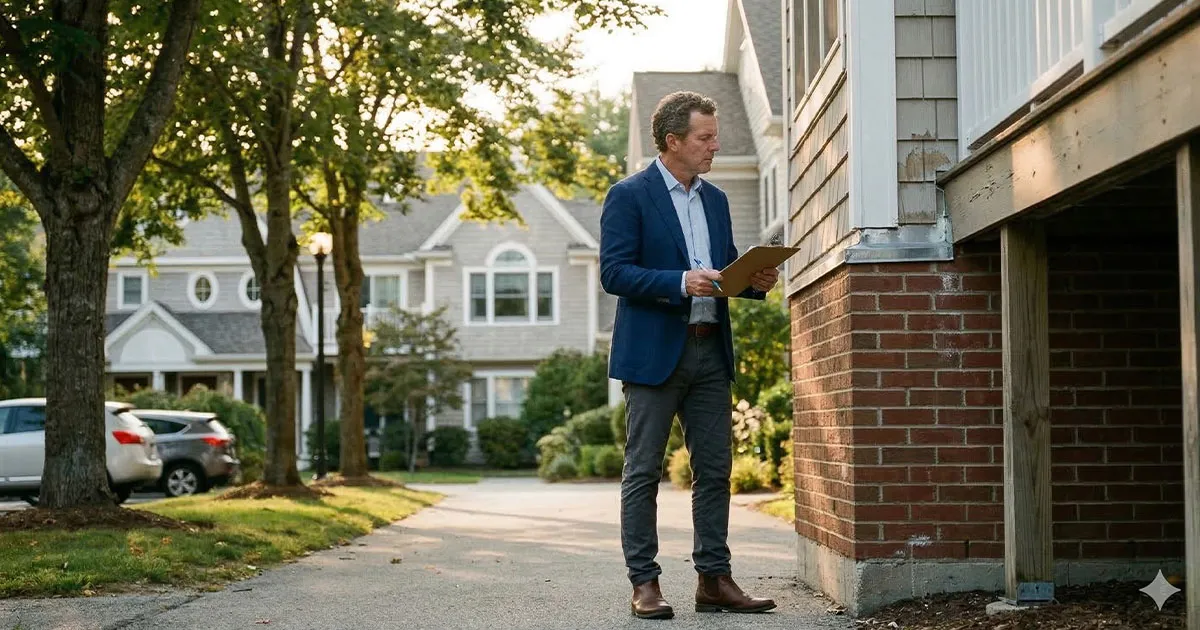
Reserve study fundamentals
What it is, what it isn't, and why a study only earns its keep when it stays live.
Open guide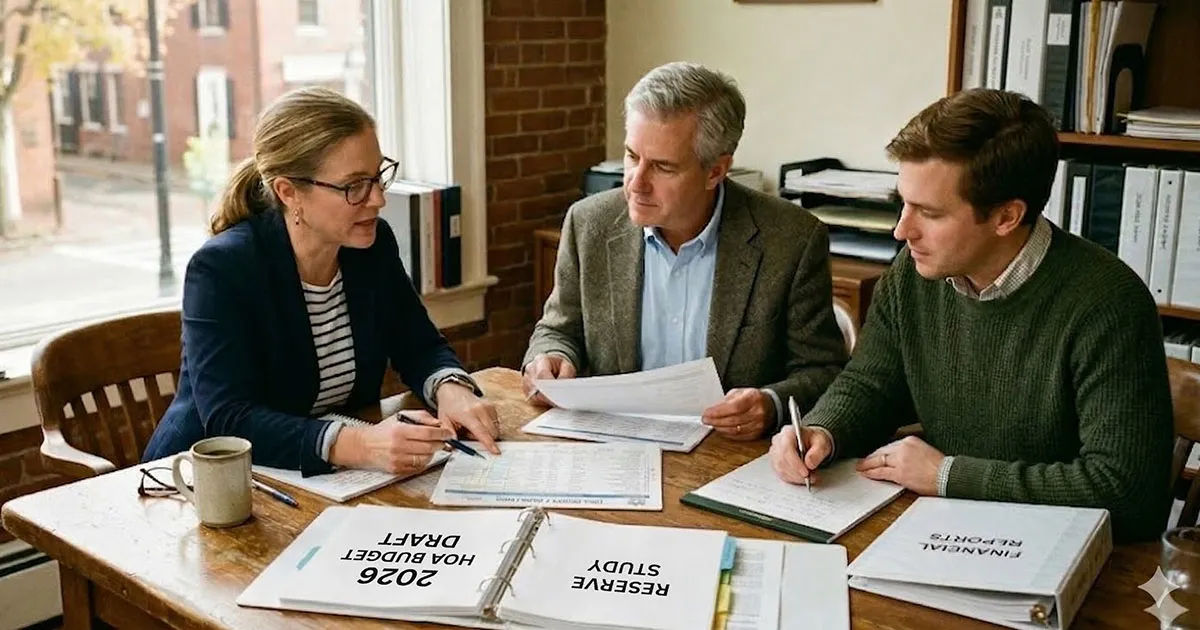
Budget best practices
Line-item structures, variance flags, and the questions boards should ask in budget season.
Open guide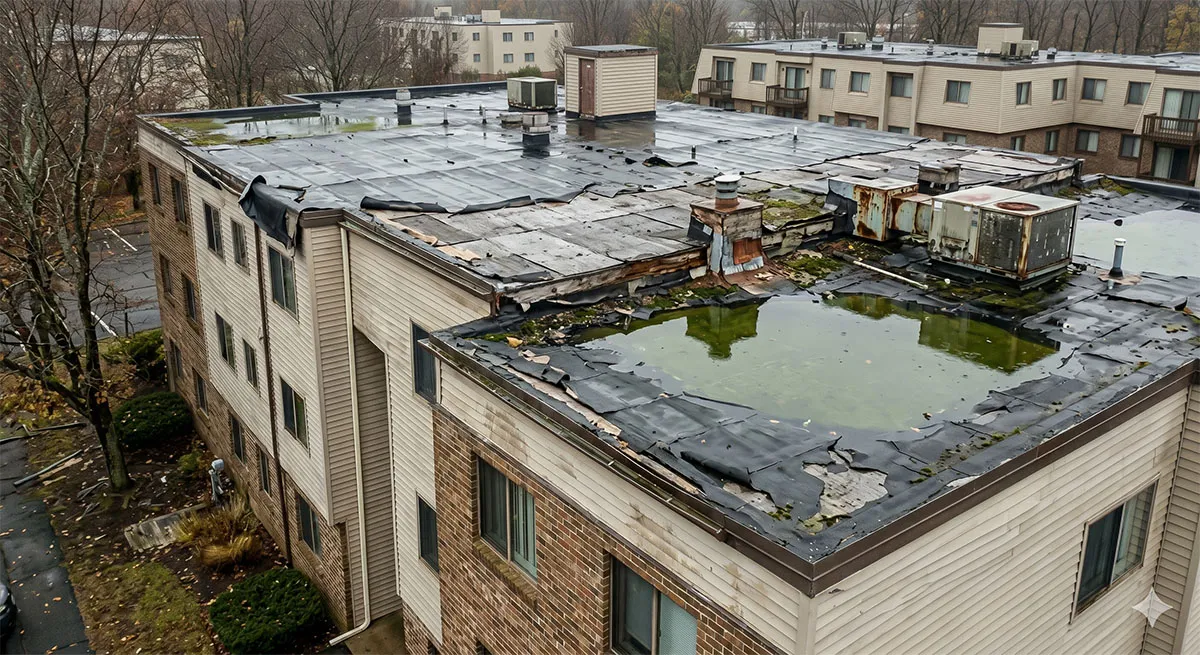
Special-assessment playbook
Connecticut rules, member-notice requirements, and how to communicate one without losing the room.
Open guideDay-to-day answers — without calling the board.
The most common owner questions, answered once and kept current. If you don't find what you need here, the portal and the office line are still the fastest paths.
From the desk — guidance you can pass around the board.
Practical reading on reserve studies, budgets, governance, and the operating realities of well-run communities.
HOA reserve study: purpose, process, and long-term planning
An HOA reserve study connects the physical condition of your community's assets to a long-term funding plan — and only works if it stays live.
HOA special assessment: rules, limits, and what boards should know
An HOA special assessment is one of the biggest financial decisions a board can face — and one of the most preventable. Learn the rules, limits, insurance options, and reserve planning strategies that help Connecticut boards avoid them.
HOA budget best practices: planning, accuracy, and financial stability
Budget shortfalls don't announce themselves at convenient times. HOA budget best practices — grounded in real data, reserve studies, and honest financial planning — help boards avoid special assessments and build long-term stability.
Your board deserves a partner — not an order-taker.
If your community is ready for clearer communication, stronger planning, and dependable execution, we'd welcome a conversation. No pitch deck — just a candid discussion of where you are and where you'd like to be.